

Botox Treatment in Santa Rosa, CA
Persistent jaw tension, frequent teeth grinding, and repeated jaw clenching can place continuous stress on your teeth, chewing muscles, and temporomandibular joints (TMJs). Over time, these habits may contribute to tooth wear, muscle soreness, tension headaches, and ongoing jaw discomfort. At Santa Rosa Dentistry, we provide botox treatment in Santa Rosa, CA, as a therapeutic option for carefully selected patients experiencing muscle-related jaw concerns. After a comprehensive evaluation, your dentist determines whether this therapy may be appropriate as part of an individualized plan for managing bruxism, jaw clenching, and chronic muscle overactivity.
What Is Botox Treatment?
Botox is a prescription medication that temporarily reduces excessive muscle activity by limiting the signals that trigger repeated muscle contractions. When used in dentistry, botox is intended to manage muscle-related conditions rather than cosmetic concerns.
The masseter muscle, one of the primary muscles used for chewing, is often involved in persistent clenching and grinding. When this muscle contracts repeatedly with excessive force, it may contribute to jaw fatigue, muscle tenderness, and increased biting pressure. Carefully placed botox injections may help reduce excessive muscle activity while allowing normal daily jaw function to continue.
Because every patient experiences different symptoms and levels of muscle activity, treatment begins with a detailed clinical examination. Your dentist evaluates your oral health, bite, jaw movement, medical history, and contributing factors before determining whether botox should be included in your overall treatment plan.
Botox does not eliminate the underlying habit of grinding or clenching. Instead, it may help manage the muscle activity associated with these conditions when combined with other appropriate dental therapies, such as occlusal guards, bite evaluation, or behavioral recommendations when indicated.
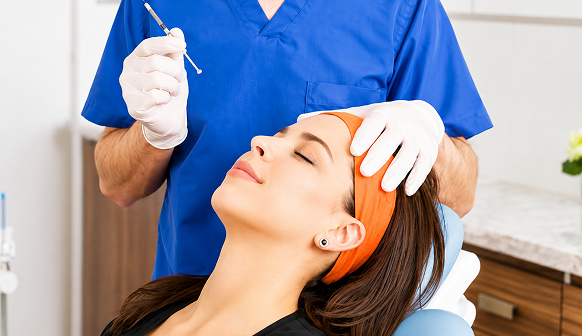
Who May Benefit from botox Treatment?
Therapeutic botox may be considered when muscle overactivity contributes to ongoing jaw discomfort or excessive biting forces. A detailed evaluation is important because jaw discomfort and teeth grinding can develop for several different reasons.
You may benefit from an evaluation if you experience:
- Patients seeking botox for teeth grinding because of persistent daytime or nighttime grinding that has not responded sufficiently to conservative care
- Habitual jaw clenching during sleep or while concentrating
- Persistent tightness or fatigue in the chewing muscles
- Morning jaw soreness
- Tenderness when chewing
- Headaches, especially in the temporal region
- Excessive pressure placed on the teeth because of repeated clenching
- Symptoms that have not improved sufficiently with other conservative approaches
Your dentist will determine whether excessive muscle activity is contributing to your symptoms or whether another dental or medical condition should be addressed before treatment is recommended.
Benefits of botox Treatment
When supported by clinical findings, therapeutic botox may help relieve muscle-related symptoms by reducing excessive muscle activity.
Potential benefits may include:
- Reduced muscle tension caused by repeated clenching
- Lower stress on the chewing muscles during everyday activities
- Improved comfort when opening and closing the mouth
- Decreased intensity of grinding forces
- Reduced morning jaw soreness
- Lower pressure placed on certain teeth during clenching
- Improved comfort when combined with other conservative dental therapies
Individual responses vary because muscle activity, symptom severity, and contributing factors differ from one patient to another. Many patients benefit most when botox is combined with other conservative therapies recommended by their dentist.
Why Choose Santa Rosa Dentistry for botox Treatment?
Successful care begins with identifying the source of muscle-related symptoms rather than focusing only on symptom relief.
At Santa Rosa Dentistry, every patient receives an individualized evaluation before treatment is recommended.
- Comprehensive Assessment – We carefully evaluate your jaw muscles, bite, oral health, and symptom history to determine whether muscle overactivity is contributing to your concerns.
- Personalized Treatment Planning – We recommend botox only when clinical findings indicate it may be beneficial as a part of a broader treatment strategy.
- Conservative, Evidence-Based Care – Whenever appropriate, recommendations may include oral appliances, bite assessment, lifestyle guidance, or other conservative therapies alongside botox.
- Ongoing Monitoring – Follow-up appointments help assess your response and determine whether future treatment remains appropriate based on your individual needs.
If you are looking for a trusted botox dentist in Santa Rosa or an experienced dentist in Santa Rosa, CA, schedule a consultation with our team. We will evaluate your symptoms, explain available treatment options, and create an individualized plan based on your clinical findings and treatment goals.