
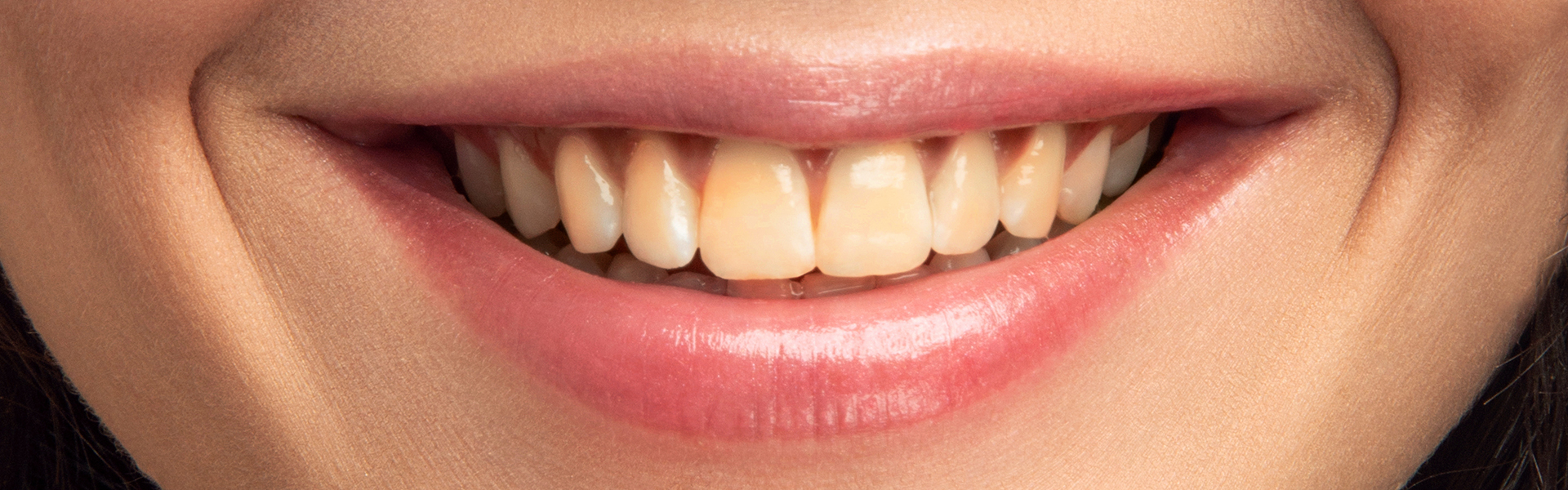
Why Do Teeth Become Stained Again After Whitening?
You finally achieve a brighter smile, only to notice discoloration returning months later. Seeing stains return after whitening can be disappointing, especially when you have invested in professional treatment. The truth is that teeth whitening in Santa Rosa, CA, can effectively remove many stains, but it cannot stop new discoloration from developing over time.
The color of your smile is shaped by many factors, including what you eat and drink, your oral care routine, and natural changes that occur with age. Understanding why stains come back can help you protect your results and maintain a brighter smile for longer.
How Does Teeth Whitening Actually Work?
During a professional whitening procedure, special whitening agents penetrate the tooth surface and break down stain particles that cause discoloration.
The process works by:
- Penetrating the outer enamel layer
- Breaking down deep pigment compounds
- Lightening intrinsic and extrinsic discoloration
- Improving overall tooth brightness
Although whitening can make teeth appear significantly brighter, it cannot permanently prevent future discoloration. After whitening, your teeth can still pick up new stains from everyday foods, drinks, and habits.
It is also important to understand that whitening works best on natural tooth structure. Crowns, veneers, fillings, and other restorations do not respond to bleaching products.
Common Reasons Teeth Become Stained Again After Whitening
Dark-Colored Foods and Drinks
One of the most common causes of tooth staining is the frequent consumption of highly pigmented foods and beverages.
Common culprits include:
- Coffee
- Tea
- Red wine
- Cola
- Berries
- Tomato-based sauces
- Soy sauce
These substances contain chromogens, color-producing compounds that adhere to tooth surfaces. Over time, frequent exposure can cause new discoloration and reduce the brightness achieved through whitening.
Tobacco Use
Smoking and chewing tobacco can quickly reverse whitening results.
Nicotine and tar leave stubborn deposits on enamel. Over time, these deposits create yellow or brown discoloration that becomes increasingly difficult to remove without professional care.
Natural Aging
As we age, enamel gradually becomes thinner. When this happens, the naturally yellow dentin underneath becomes more visible.
This natural change can make teeth appear darker over time, even in people who have previously whitened their smiles.
Inadequate Oral Hygiene
Plaque and tartar buildup can trap pigments from food and beverages.
Without proper brushing, flossing, and routine cleanings, stains can accumulate more rapidly and make teeth appear darker.
Certain Medications and Health Conditions
Some medications may contribute to discoloration over time.
Examples include:
- Certain antihistamines
- Some blood pressure medications
- Specific antibiotics
- Chemotherapy treatments
Additionally, conditions affecting enamel development can influence tooth color and make whitening results less predictable.
How Long Does Teeth Whitening Usually Last?
Whitening results can last for different lengths of time depending on individual habits and oral health.
Several factors influence longevity:
- Dietary habits
- Tobacco use
- Oral hygiene practices
- Age
- Type of whitening procedure performed
For many individuals, professional whitening results can last anywhere from several months to a few years with proper maintenance.
Patients who limit staining foods, maintain excellent oral hygiene, and attend regular dental visits often enjoy longer-lasting brightness.
A trusted dentist in Santa Rosa, CA, can help determine when touch-up treatments may be beneficial based on your individual needs.
How to Prevent Teeth from Becoming Stained Again
Although some discoloration is unavoidable, several practical strategies can help preserve whitening results.
Follow Good Daily Oral Hygiene
Consistent oral care remains the foundation of stain prevention.
Recommended habits include:
- Brushing twice daily with fluoride toothpaste
- Flossing every day
- Cleaning the tongue regularly
- Replacing toothbrushes as recommended
Promptly removing plaque helps reduce stain accumulation.
Be Mindful of Staining Beverages
You do not necessarily need to eliminate coffee or tea completely.
Instead:
- Use a straw when appropriate
- Rinse with water afterward
- Avoid sipping for extended periods
These small adjustments can reduce contact between pigments and enamel.
Schedule Professional Dental Cleanings
Routine cleanings remove plaque, tartar, and surface stains before they become more noticeable.
Many patients searching for a “teeth whitening treatment near me” are surprised to learn that preventive cleanings play a major role in maintaining brightness between whitening sessions.
Consider Touch-Up Treatments
Professional touch-ups may help maintain results over time.
The ideal touch-up schedule depends on factors such as your oral health, lifestyle, and how quickly stains tend to return.
Protect Enamel Health
Strong enamel is naturally more resistant to staining.
To support enamel:
- Limit acidic beverages
- Stay hydrated
- Avoid aggressive brushing
- Follow your dentist’s recommendations
These measures can help maintain the long-term appearance of the smile.
Expert Insight
In clinical practice, dentists often find that patients achieve the best long-term results when whitening is combined with consistent preventive care. Long-lasting results depend heavily on maintenance habits. Patients who actively manage staining risks typically enjoy more consistent outcomes than those who rely solely on treatment.
When Should You See a Dentist About Tooth Discoloration?
Not every color change is related to food, beverages, or lifestyle habits.
Schedule an evaluation if you notice:
- Sudden darkening of a tooth
- Gray, blue, or black discoloration
- White spots that appear unexpectedly
- Uneven color changes
- Sensitivity alongside discoloration
These symptoms may indicate underlying concerns requiring professional assessment.
A qualified dentist in Santa Rosa, CA, can evaluate the discoloration, identify the underlying cause, and recommend the next steps.
Final Thoughts
A brighter smile can boost confidence, but maintaining those results requires ongoing care. Understanding common causes of tooth staining, practicing good oral hygiene, and making thoughtful lifestyle choices can help protect your investment.
If you are considering teeth whitening in Santa Rosa, CA, or want guidance on preserving your results, the team at Santa Rosa Dentistry can provide personalized recommendations to help keep your smile looking its best.