
Protect Your Molars: Why Dental Sealants Are Essential for Oral Health
Molars do the heavy work for us at every meal. Their deep grooves on the top surface make chewing efficient, but also easily trap food and bacteria. Even careful brushing can miss these areas. Dental sealants solve that problem by creating a thin coating that seals off those crevices. If you’re exploring dental sealants in Santa Rosa, CA, here’s how they safeguard your smile from cavities before they start.
What Are Dental Sealants?
A sealant is a thin, transparent or tooth-colored resin painted onto the grooves of molars and premolars, which are at highest risk for cavities. Once brushed on, the material seeps into tiny grooves and hardens into a smooth, protective surface. It’s painless, safe, and nearly invisible.
Sealants act like waterproof barriers, preventing bacteria and acids from reaching enamel in places your toothbrush can’t. According to the ADA, children who receive sealants reduce their risk of cavities in those teeth by roughly 80% in the first few years after application.
Why molars need extra help:
- Their uneven surfaces are naturally harder to clean.
- Bristles can’t reach deep enough into pits and fissures to sweep debris away.
- Sealants protect those high-risk areas before decay begins.
Who Benefits Most?
Sealants are the best option for kids and teens when their permanent molars emerge, which usually happens between the ages of six and twelve. Applying the coating early helps shield those new teeth through the cavity-prone years.
Adults can benefit, too. Deep chewing grooves, early enamel wear, or dry mouth all raise the risk of decay. Even if you’ve never had cavities, sealants can help keep that record spotless.
You might be a good candidate if you:
- Have visible grooves or rough spots on your molars.
- Snack often or sip sweet drinks throughout the day.
- Take medications that reduce saliva flow.
- Have fillings on other back teeth and want to prevent more.
If you’re unsure, a quick visit with a dentist in Santa Rosa, CA can identify which teeth would benefit and when to apply sealants for lasting protection.
How the Procedure Works
Placing a sealant is fast, quiet, and completely comfortable, no numbing required. Here’s what to expect:
- Clean and isolate: The tooth is polished, and soft cotton keeps it dry.
- Condition: A mild gel lightly roughens the enamel to improve bonding.
- Rinse and dry: The gel is washed off, and the tooth surface is dried.
- Apply the sealant: The resin is painted on; it naturally flows into each tiny groove.
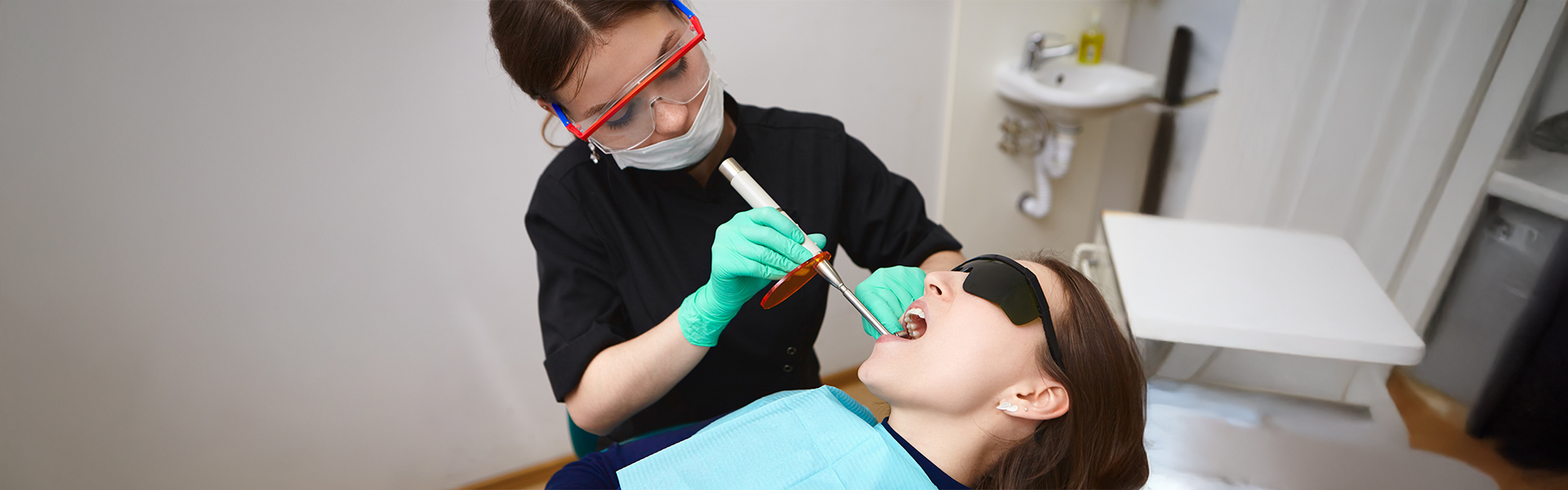
- Harden: A small blue curing light sets the coating within seconds.
- Check your bite: The dentist makes sure it feels natural when you chew.
Most patients describe only a slick feeling that fades by the next morning. You can eat as soon as the appointment ends, no recovery time needed.
Benefits, Limits, and Safety
Sealants have been a trusted part of preventive care for decades. They combine convenience with proven results.
Key benefits:
- Strong protection: Up to 80% fewer cavities in sealed molars for at least two years, with protection often lasting close to a decade.
- Zero drilling or shots: The process preserves natural enamel.
- Cost-effective: Preventing one cavity costs far less than filling one later.
- Suitable for all ages: Children, teens, and adults all benefit.
Limitations:
Sealants guard only the chewing surface; they don’t protect between teeth or along the gumline. Over time, heavy biting or grinding may cause small chips that need quick repair.
Safety facts:
Sealant materials are rigorously tested and biocompatible. Independent safety reviews show exposure levels far below any health concern. If you’re sensitive to certain materials, let your dentist know.
Caring for Your Sealants
Sealants can last for years, especially with good home care and routine checkups. Your Santa Rosa dentist or hygienist will examine them during cleanings to ensure they’re intact.
To make them last:
- Brush twice a day with fluoride toothpaste.
- To keep the sides of your teeth clean, floss.
- Limit constant sipping of sugary or acidic drinks.
- Avoid chewing ice or hard candies.
- Visit your dentist every six months for maintenance.
If part of a sealant wears away, it’s easy to replace. Many adults keep their original sealants well into their 30s with only minor touch-ups.
By lowering cavity risk, sealants also help prevent the need for fillings or crowns later on. Combined with fluoride treatments, healthy diet choices, and consistent oral hygiene, they’re one of the simplest steps for keeping natural teeth strong for life.
Final Thoughts
Dental sealants are a quiet hero of preventive dentistry, quick to apply, long-lasting, and nearly invisible once in place. Whether you’re protecting your child’s newly erupted molars or strengthening your own, this simple coating can make a lasting difference.
For professional guidance and gentle preventive care, schedule a visit with Santa Rosa Dentistry. Our team can recommend the best timing, materials, and ongoing care plan to help your molars stay cavity-free and healthy for years ahead.